
Always wanted to give kimbap a go, but think it might be tricky? Don’t worry, making kimbap at home is easier than you think! This simple recipe uses everyday ingredients you might already have on hand. All you’ll need to grab from the store are seaweed sheets (also known as gim, kim, or nori) and pickled radish (danmuji or daikon radish).
Here’s the basic formula: cook fluffy rice and season it, then choose your protein (think classic options like egg, ham, or fishcake) and vegetables (spinach, carrot, and cucumber are great starters). Don’t forget the acidic touch – pickled radish is essential!
Once you’ve mastered the basics, feel free to get creative! Explore different protein options, add more veggies, or even try making your own homemade radish pickles. Kimbap is not only healthy and balanced, but it also packs a variety of flavors and textures in every bite. Plus, you can prep the fillings in advance for a quick and easy grab-and-go breakfast, lunch or snack!

yields
2 rolls
total time
30 mins
equipment
stovetop
ingredients
Eggs:
- 4 eggs
- ½ tsp soy sauce
- 1 tsp mirin (rice wine, optional)
- Pinch of salt
Carrot:
- 2 cups shredded carrots
- 1 tsp soy sauce (optional)
- 1 tsp sesame oil
- Pinch of salt
Spinach:
- 2 cups packed baby spinach leaves
- 1 tsp soy sauce
- 1 tsp sesame oil
- Pinch of salt
Rice:
- 2 cups cooked rice (lukewarm)
- 2 tsp sesame oil
- ½ tsp salt
ASSEMBLY:
- Seaweed sheet (gim, kim, or nori)
- Danmuji (store-bought pickled radish)
- Sesame oil for brushing
- Sesame seeds for garnish
directions
Eggs
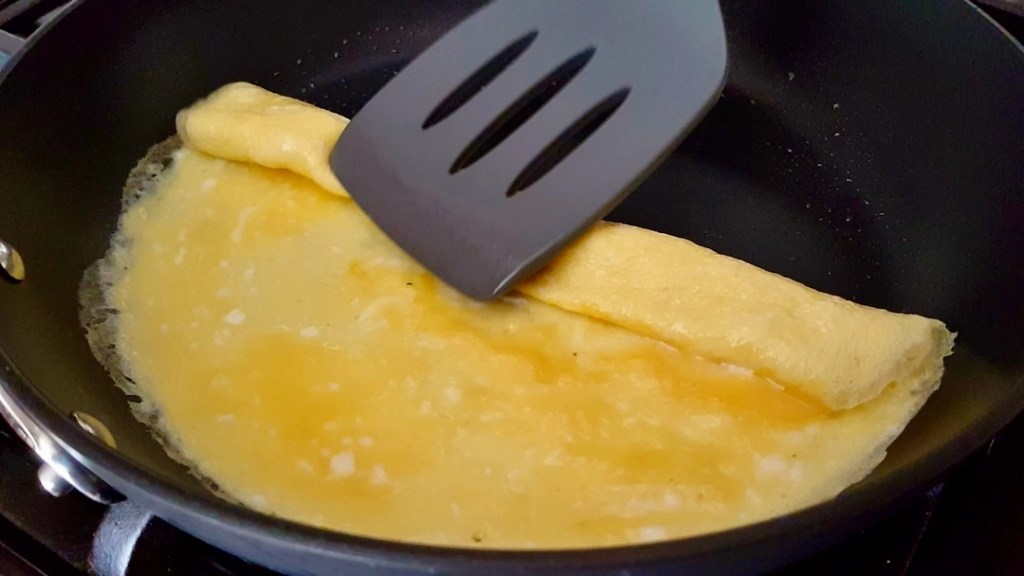
Step 1: In a bowl, whisk together eggs, soy sauce, mirin (optional), and salt until smooth and slightly frothy. Soy sauce enhances the flavor of the eggs but is optional.
Step 2: Heat a pan over medium heat. Once hot, add a thin layer of oil to coat the pan. When the oil shimmers, pour half of the egg mixture and swirl the pan to spread the eggs into a thin, even layer. Reduce heat to medium-low.
Step 3: When the egg is set on the bottom but still moist on top, gently roll from one end to the other, forming a narrow log. Repeat with the remaining egg mixture to make 2 rolled eggs.
Carrot
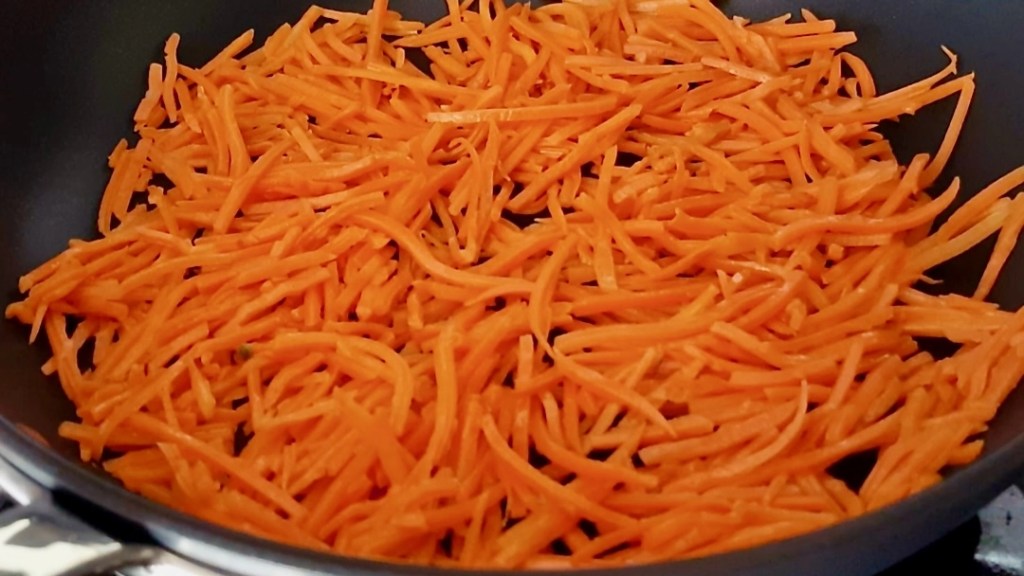
In the same pan, increase the heat to medium-high and add a drizzle of fresh oil. When the oil begins shimmering, add shredded carrots. Toss to coat the carrots in the oil and season with salt and a touch of soy sauce. Cook until softened and finish with a few drops of sesame oil.
Spinach
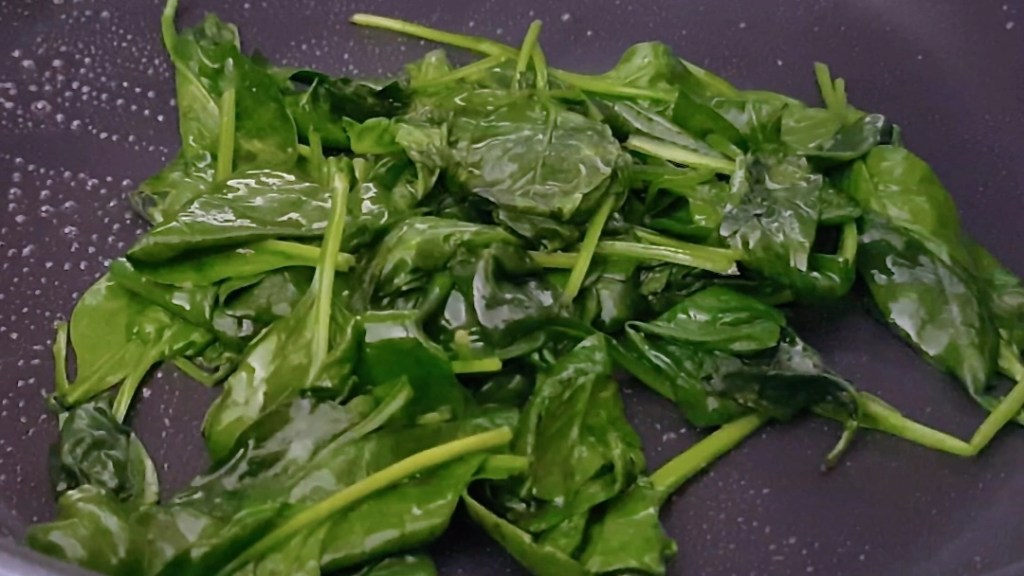
In the same pan, add another drizzle of fresh oil. When the oil begins shimmering, add the baby spinach leaves. Stir quickly to coat in the oil and season with salt and a touch of soy sauce. Cook until softened and finish with a few drops of sesame oil.
Rice
In a bowl, combine cooked rice (lukewarm, not hot), salt, and sesame oil. Quickly stir to separate the grains and evenly season the rice. Taste and adjust seasonings as needed to ensure the rice is flavorful.

Assembly
Step 1: Lay a rolling mat on a flat surface. Place a sheet of seaweed shiny side down on the mat. Add a handful of cooked rice and spread it evenly in a thin layer across the seaweed, leaving about an inch of space at the top. Arrange the rolled egg, carrots, and spinach horizontally in the center of the rice. Use enough fillings to create a tightly rolled kimbap with a good balance of rice and fillings.
Step 2: Lift the bottom edge of the mat and gently but firmly fold it over the fillings. Roll upwards tightly using the mat to form a compact roll with no air pockets. To seal the edge, moisten the reserved 1 inch of seaweed at the top with a little water. Alternatively, sprinkle a few grains of rice on the seam and roll over them to secure the edge.
Step 3: Brush the outside of the roll lightly with sesame oil and sprinkle with sesame seeds. Use a sharp knife to cut the kimbap into bite-sized pieces. It’s helpful to slightly wet the knife in between cuts for cleaner slices.
If you have any questions or feedback, please leave a comment on the video on YouTube.
 Breakfast For One